What Are The Best Ways To Build Roads That Recycle Waste To Encouraging The Circular Economy?

The Best Ways To Build Roads

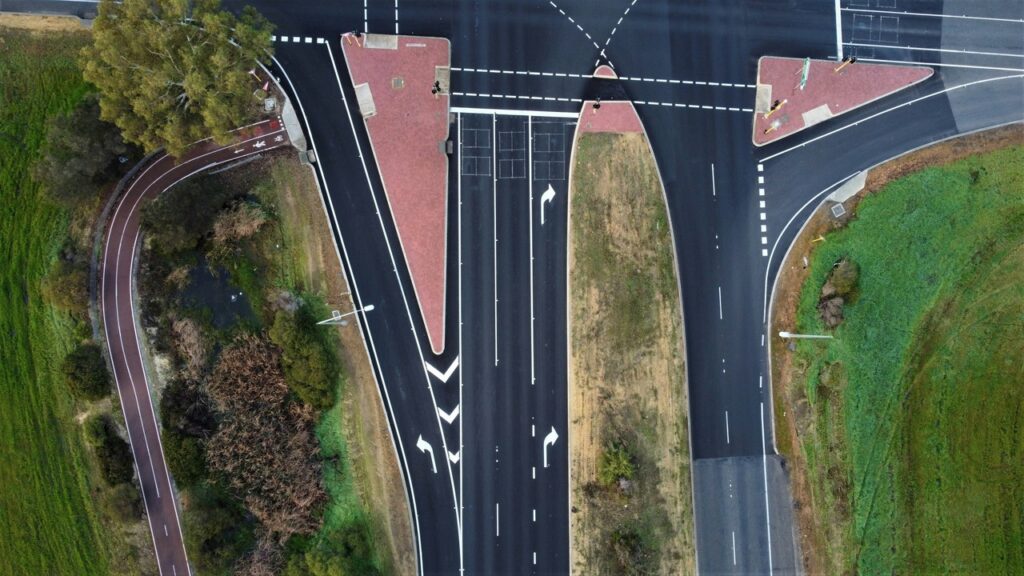
The work to expand the lane has just been completed at the 12.5km portion that is part of Kwanana Highway in Perth’s Central Business District (CBD), at a total price of $49 million. It’s comparable to the average cost for construction of a one-way road, at a cost of $5 million for each km.

The thing that makes this highway so special isn’t its price, but the underground design. It is composed of two levels that are stable and used 25,000 tonnes of recycled concrete produced by demolition of the old Subiaco Oval. It’s estimated that nearly 90% of the concrete was made of recycled materials that were sourced from area that was the Subiaco Oval, one of the most well-known football stadiums in Perth.

The highway is located south of the Perth CBD The Kwanana Highway has completed a 12.5km expansion of the lane that has a price of $49 million. The typical cost for building a single-way highway is about $5 million per mile. The thing that makes this highway unique isn’t its size however, it is the material used to construct its substructure. It is constructed with a double soil stabilization layer constructed from concrete. It also contains around 250,000 tons of recycled dirt taken from the demolishment of Subiaco Oval, one of the biggest football stadiums in Perth.

The amount of recycled construction material in Australia is still at a minimal extent. In the National Waste Policy, agreed on by the states, federal and territorial governments in the year 2010 is a plan to raise recycle rates of resources up to 80percent in 2030. However, the currently attainable figure is 40 percent.

74 million ton of garbage produced in Australia in the year 2020, around 22 million tonnes were made up of rocks, whereas the amount of plastic waste was only 2.5 million tonnes. In the 61.5 million tonnes of “core waste” managed by the Waste and Recycling Department, 44 percent (27 million tonnes) is derived from construction or demolition, while the remaining 20 percent (12.6 million tonnes) comes from domestic and local public sector actions.

The majority of construction debris (concrete, bricks and steel as well as wood, asphalt, gypsum board cement and so on.) is recyclable however, it’s often put in landfills due to financial motives. Also, it is more affordable to buy new material than to research strategies for recycling or reuse.

To improve the current scenario, moving to a circular economic system is crucial. With a circular economic system, materials are able to be reused or recycled, instead of being dumped into landfills. This is vital to reduce the environmental impacts from building and construction and, in particular, damage caused by changes in the climate.

Externalities To The Economy

The economists refer to this as an economic failure after it becomes apparent that reusing recyclable materials can be more cost-effective than making them available for reuse. This issue is a result of external world. That is, environmental and social cost related to the manufacturing of, usage, and disposal of the materials aren’t reflected in the model of evaluation, and are instead passed onto other people.

Market failures that fail could need intervention by the government. Many economists view carbon emissions, which the price of which pass on to generations to come as externalities. As such, they suggest introducing an internal carbon price in order to manage the issue optimally.

The government has the ability to use a variety of tools to help promote the recycling of construction materials in order to establish a market that encourages recycling.

Implementation of Procurement Policies And Tactics

One method companies try to boost recycling is raising the price of sending garbage to landfills. But, it could result in unintended consequences like illegal disposal.

The procurement of government services is a successful method to increase recycling demand through the implementation of policies that demand vendors to utilize at minimum a certain amount of recyclables in order to fulfill the orders.

If there is enough demand and waste recycling firms are able to spend money on improving the technology for disposal of waste while also reducing expenses. Cost reductions encourage the use of recycling programs, creating an economy that is circular based upon recycling and, as a result creating a green circular economy.

Each of the Australian states have state-wide procurement plans. As per the Federal Framework for Sustainable Public Procurement, Australia aims to transform waste from Australia into resource through the recycling of both items and services, as part of the double circular economy. However, these plans are lacking certain essential elements.

Three Important Reforms to Public Procurement

The analysis we conducted, based upon interviews with 27 public as well as private sector actors, indicates that three major changes can be beneficial to efficiency of the waste management.

The first reason is that the purpose of the government of the funds differs than the requirements regarding efficiency for public-funded projects. The government demands every contractor to utilize at least 1% recycled materials in their construction sites.

In addition, the grade of building materials recycled is dependent on the site; concrete recycled made from demolition waste contains components that weaken its durability.

Markets need to be stimulated by government through monitoring recycling rates, which will improve consumer trust and to encourage businesses to spend money on recycling techniques.

Thirdly, the grade recycled construction materials differ in each states (particularly those in Western Australia). A good technical framework can to reduce the costs of manufacturing and lower the price of recycled material.

Nigerian Highways: Cement or Asphalt? Which is better?

cement or asphalt for nigerian roads

The new Nigerian Public Works Minister David Umahi, has advocated for the choice of rigid pavements in place of flexible pavements for road construction since they’re too fragile in Nigeria. This strategy could be advantageous due to the current conditions in Nigeria in which flexible pavements become less durable as time passes.

Flexible pavements are constructed out of concrete reinforced, whereas asphalt pavements that are flexible consist of of asphalt or the tarmac.

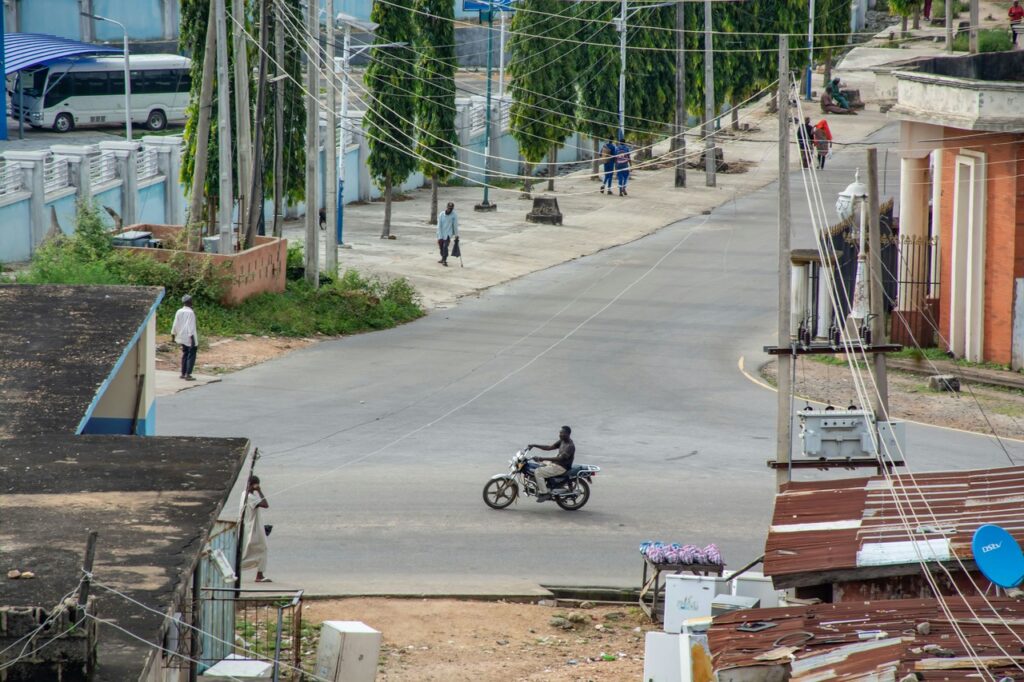
Asphalt roads constitute the main roads in Nigeria and are evident in the Lagos-Ibadan and Port-Harcourt-Enugu Expressways, the Lokoja Abuja Expressway and the Abuja-Kaduna Expressway along with a host of other routes. Concrete roads are the road known as Kabba Obajana, which is located situated in Kogi State and the Apapa-Oshodi Road that is located in Lagos State.

Infrastructure for roads is crucial to an economy that is modern. The growth of the economy depends on accessibility and mobility for lasting growth.

As an engineer professor who’s researched the application of reinforced concrete as well as asphalt-based pavements for Nigerian roads, I am able to help clarify the issues caused by the Minister’s decision.

The decision between an expensive additional service or a lower-cost discount service is an important design decision the choice of solution should be able to accommodate both cost-saving demands and considerations of political.

There is currently an inconclusive data that can show what type of pavement is more suitable in Nigeria either flexible as well as concrete.

A Comparison of Rigid And Flexible Pavements

It is usually costlier and harder to set up and maintain. It’s made from cement concrete. It consists of the base course, a sub-base as well as a sub-base course. Flexible asphalt is more prone to break when stressed due to its flexibility (i.e. the capacity to resist deformation when under stress) however, rigid pavements have a greater flexural strength. This means that every layer is resistant to deformation during load bending and is not affected by the materials.

Flexible pavements are made to flex and alter depending on external influences like traffic load. They are greener than rigid pavements and have lower cost of construction; maintenance typically occurs every 10 to 15 years. While periodic maintenance and inspections are possible, the work-related tasks tend to be straightforward.

Although flexible pavements are less expensive in initial cost, maintenance costs can be higher.

Rigid asphalt is more expensive in initial price, but has it is less expensive to maintain throughout its life.

In comparison to reinforced concrete pavement structures asphalt pavements generally are smaller in their base as opposed to reinforced concrete asphalt, which is more extensive in its base. The base is the substance that lies beneath the structure of the pavement.

Flexible asphalt usually lasts for 10-15 years. While rigid asphalt can last for 25 to 30 years.

Flexible pavements are more accessible as compared to rigid pavements. If water remains within the asphalt structure of the asphalt for an extended duration, it can increase the likelihood of failure and leads to a decline in the basis modulus which reduces the efficiency and effectiveness that the asphalt. The primary modulus is the relationship between the strain within an elastic support system and the stress or deflection of the support board when it is in equilibrium.

With its bright hue, the rigid sidewalks are more secure for walking on in the dark.

Even though extreme weather conditions for example, high temperatures could cause damage to flexible pavements they are not able to affect the performance of the rigid pavement because changes in temperature on flexible pavements will affect their structural properties, which includes tension-strain problems.

Flexible asphalt generally has high levels of noise pollution while rigid asphalt typically has lower amounts.

The Criteria For Making Decisions

The selection of a surface is contingent on its longevity and the cost of materials like beginning construction costs, ongoing repair and maintenance costs, as well as all costs that are associated with the environment, such as energy emissions or consumption and energy use.

A cost-of-living analysis must be done prior to deciding on the pavement material to ensure to make the best choice.

The roads that are well-constructed must offer satisfactory quality of service as well as acceptable protection while carrying out their duties, and they should also be in line with local standards and values which may differ by location. However things like the cost, environmental impact and aesthetics need to be considered carefully when making decisions.

Paved Asphalt (flexible asphalt) offers the benefits of lower initial costs for construction as well as a short maintenance and construction time and a quick repairs. Also, it reduces waste since it is recyclable. It can be repaired in a short time, as well as its characteristics reduce noise. Asphalt pavements, however, only last a short time They require regular maintenance, and cannot be easily traversed for heavy vehicle. Thus, they are most suitable for roads with little traffic for example, rural roads as well as residential ones. Additionally that the process of making asphalt can increase carbon emissions which are harmful to the natural environment.

Concrete asphalt usually has greater cost of construction and takes longer durations due to maintenance needs. Repair and formation of holes take longer, which means long maintenance time. Concrete pavements, however, have longer service lives, less cost of maintenance, excellent durability with a high load capacity and less carbon emissions from cement manufacturing and less prone to create potholes. This means that they are able to be utilized in areas with high traffic like highways, ports airports, and ports more effectively as well as reducing the carbon emission at the their source.


An Engineer For Roads Explains The Process of Making Them. The Majority of Modern Roads Are Constructed From Asphalt

Modern Roads Are Constructed From Asphalt

While driving, your focus could be more focused to your destination, not the road’s conditions. However, making a road is a process that requires expertise in engineering. From choosing material to employing heavy equipment for paving the road each stage reveals the core of engineering. Quality roads last longer, and lessen traffic congestion created due to road maintenance.

As a researcher in https://bisadepo5k.com/, my task is to learn how to utilize different kinds of material to enhance the endurance and strength of roads. Researchers working in this field are able to develop and discover materials that will enhance the road’s strength.

Materials For Road Construction

What is the actual composition of roads out of? Roads consist of a wide range of building materials including aggregates (particles made of rock and soil) Bitumen binders and Portland cement that acts as a binder that binds the various materials.

The process for making bitumen binders is to refine crude oil into gasoline kerosene and fuel oil and the remainder getting recycled into bitumen binding agents. The manufacturing of Portland cement is based on a wide range of raw materials like silica fume, aluminum.

Engineers make use of high-precision machines to compress a mix of aggregates and bitumen binder in temperatures that exceed 150degC (300degF) which binds each particle and forming what’s called asphalt concrete.

If the engineers choose to use Portland cement in lieu of bitumen binder in order to join the aggregates, they could employ a hydration, as well as “hydration” technique to seal the mix using water.

Hydration allows cement to stick to the aggregates and form Portland asphalt concrete, with or without any external source of heat.

Road Construction

The asphalt concrete roads are typically comprised of three primary layers comprising a base course, an intermediate course, and an edging course.

Engineers refer to the dirt that the road will be constructed the sub grade. Over this is a second one of loose soil as well as rocks, over that is a layer of loose aggregate known as the sub grade (or loose aggregate base).
The base layer could comprise of loose rock laid out without binder, or it could be composed of asphalt and rocks binder used as a reinforcement basis layer.

When the road construction company is finished laying the foundation for the asphalt road’s surface, it’s time to apply layers that include the base layer, the intermediate layer and finally, the top layer. Each layer contains different levels of aggregate particles including rock dust together with asphalt binder.

Engineers utilize the image of a vehicle to calculate the thickness of every layer. The amount of traffic depends on the size of the road’s surface. For instance when driving on interstates layer, the layers could overlap to extend of up twenty inches (51 centimeters) and deep.

Building Asphalt Roads

Road builders employ asphalt paver machines, also known as machines for pouring the asphalt onto the roadway. The driver takes the slabs out of his truck, then places the materials on the road after which they secure them using bolts of heavy weight for strength and to allow them to fit in to the truck.

Engineers usually begin the planning of a asphalt road with a solid sub grade, the foundation upon where the road will be put in place before proceeding. If the foundation isn’t strong roads may sag and crumble, even with most durable materials for their surfaces.

Road builders begin by compacting the sub-base using road rollers. They then lay the aggregate over it to compress it. This combined foundation provides a strong base for asphalt layers.

Road construction companies who do not make use of the correct substances, put them in the wrong place or fail to design their pavements to accommodate the amount of traffic could result in pavements that break, warp or fail entirely.

Potholes are among the most significant road issues you’ve experienced. They usually develop in the spring time when water that has frozen in winter is beginning to thaw as the weather changes which further reduces the strength of the road, which makes it more vulnerable to damage from traffic and creating potholes as vehicles travel across the surface.

Prior to the construction of a road it is subjected to strict laboratory tests to make sure it will withstand the strains of the road and weather.

In the laboratory, scientists expose the asphalt to temperatures that are below freezing as well as extreme temperatures, to guarantee that it is resistant to every kind of weather as well as floods or rain to prevent it from deteriorating in the presence of pressure.

In at the Pennsylvania State Asphalt Laboratory, me and my colleagues test asphalt mix-ups that our scientists altered using substances called modifiers such as fibers or polymers, which make the asphalt stronger.

If you ever drive, be aware that it requires engineering knowledge as well as teamwork to make the road that you can take a ride on.